
 Introduction
HSV-2 
In April 2026, Moderna unveiled Phase 1/2 clinical data for mRNA-1608. This therapeutic vaccine encoding five HSV-2 antigens showed a trend of prolonged time to recurrence and reduced recurrence rate among patients with recurrent genital herpes, accompanied by increased antigen-specific binding antibodies and cellular immune responses. At the same time, domestic mRNA vaccines have also entered clinical development. The Joint Innovation Research Center jointly built by Grand Pharmaceutical and Hubei Jiangxia Laboratory is developing a lyophilized therapeutic mRNA vaccine against HSV, which also targets reduced recurrence frequency and viral shedding.
Come and take a look
Comparison of Herpes Animal ModelsDifferences Between Guinea Pig and Mouse Models
Following primary infection, the virus travels retrogradely along sensory nerve terminals into the sacral dorsal root ganglia to establish lifelong latency. Subsequent immune fluctuations, stress or fatigue may trigger the virus to travel anterogradely along nerve axons back to the mucosal surface, resulting in viral re-shedding and herpes lesion recurrence.
·The guinea pig vaginal infection model is repeatedly regarded as the gold standard in the HSV-2 field for one fundamental reason: it is currently the only small animal model capable of recapitulating all three phases, namely acute infection, latency establishment and spontaneous periodic recurrence.
·The mouse model is the most widely used in HSV-2 research for straightforward reasons: low cost, short experimental cycle, abundant immunological reagents and clear genetic background.BALB/c and C57BL/6 are commonly used strains. Stable acute infection can be established after intravaginal inoculation, which enables evaluation of vaccine-mediated protection against acute-phase viral load and mortality. Nevertheless, the mouse model has two limitations. First, it fails to produce herpes lesions similar to those observed in humans after infection. Second, no spontaneous recurrence occurs after latent infection.
Spontaneous recurrence represents the most essential difference between the guinea pig model and the mouse model.However, this does not mean that the mouse model lacks value. On the contrary, mice remain the most efficient tool for evaluating acute-phase protection and dissecting immune mechanisms.
Immunological Differences Between Guinea Pigs and Mice
A study published in Virology in 2026 infected both guinea pigs and mice with the low-passage Chinese clinical isolate HSV-2/KM-1 to directly compare their immune response profiles. The findings are noteworthy:
·Guinea pigs exhibit a Th2-biased immune response with elevated IL-4 and IL-10;
·By contrast, mice activate both Th1 (IFN‑γ, IL‑2) and Th2 (IL‑4, IL‑10) pathways simultaneously.
Such differences in immune responses exert practical impacts on drug and vaccine evaluation. If the mechanism of a candidate vaccine relies on Th1-type cellular immunity (e.g., inducing CD8+ T cells to kill latently infected neurons), the mouse model may overestimate its efficacy, as mice inherently tend to mount stronger Th1 responses. Conversely, if the candidate strategy focuses on modulating Th2-type inflammation or antibody-mediated protection, data obtained from the guinea pig model may better approximate human conditions.
Therefore, relying solely on data from mouse models to support the clinical translation of a therapeutic vaccine carries substantial risks. A more prudent strategy is to use mice for rapid screening and mechanistic validation, and guinea pigs for confirmation of relapse protection and long-term immune memory. Combined data from the two models can form a complete pharmacodynamic evidence chain.



The KCI・KMQ Anti-Infective Vaccine and Drug R&D Service Platform has successfully established two viral vaginitis models, which can provide robust support for research on the pathogenesis of herpes, drug development, and safety evaluation of clinical medications.
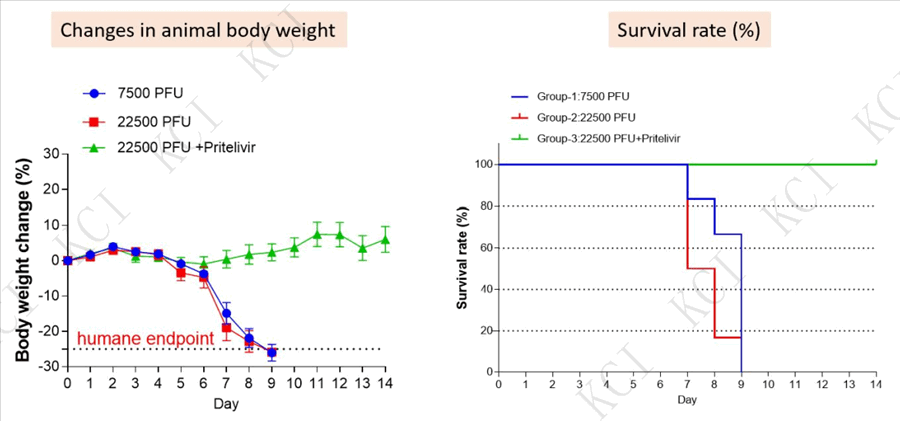
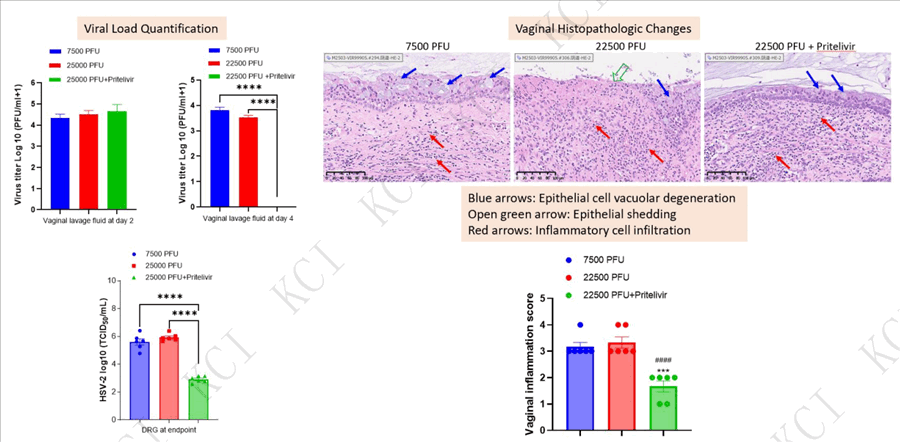
01 Mouse Vaginitis Model
Data Presentation
·Body Weight Change and Survival Rate of Animals
·Viral Titer in Lavage Fluid & DRG Viral Copy Number & Pathological Score
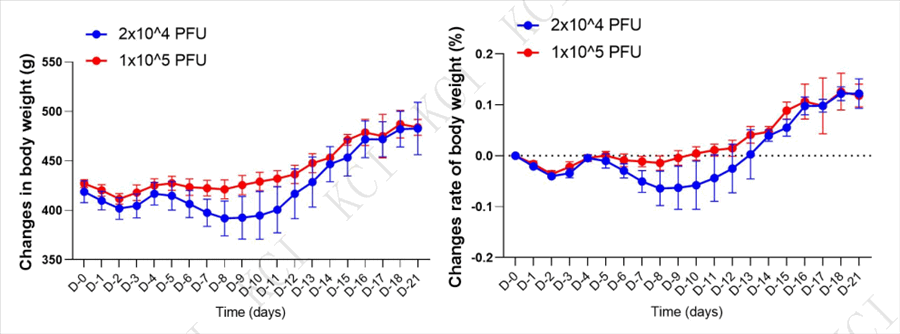
02 Guinea Pig Herpes Model
Data Presentation
·Body Weight and Body Weight Change
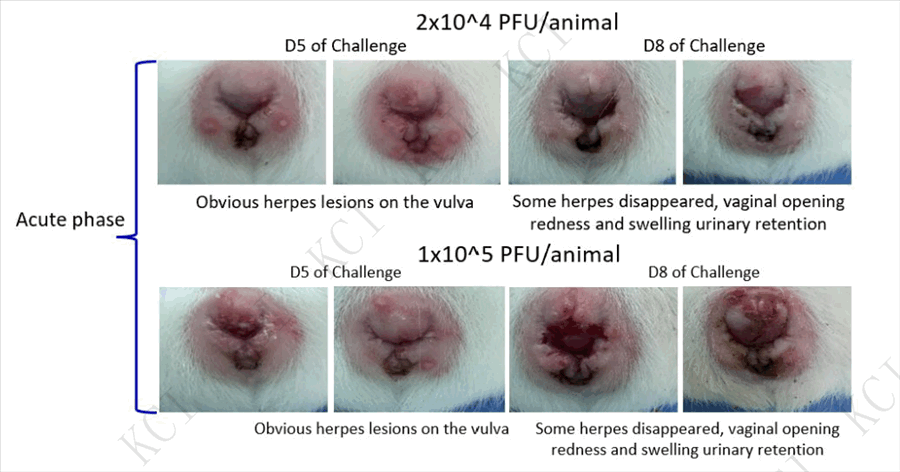
·Acute Infection Phase
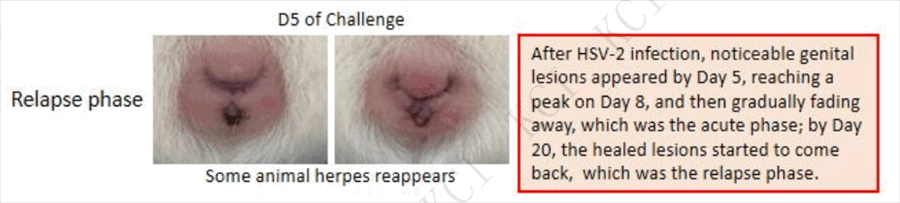
·Recurrence Phase
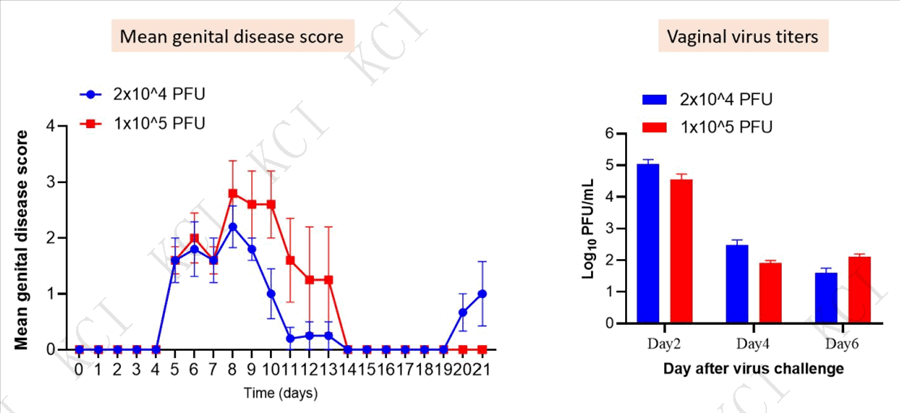
·Genital Lesion Score and Viral Titer
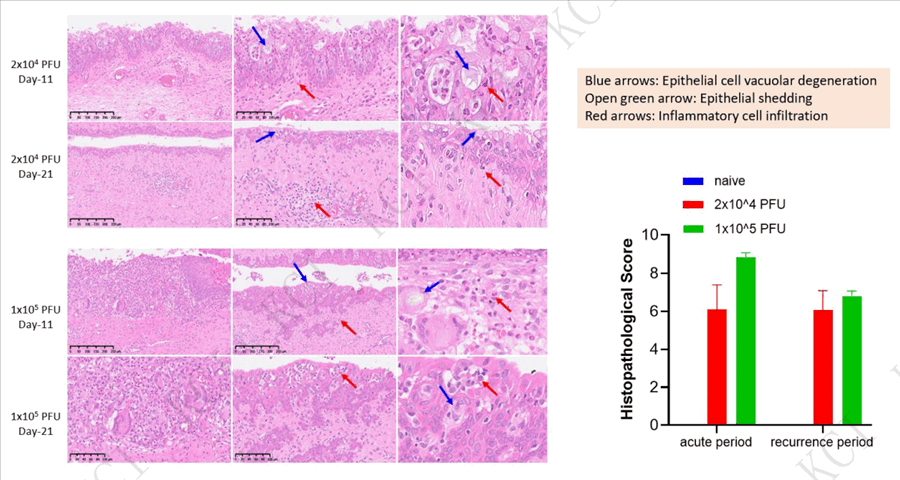
·Pathological Score
Model Selection Recommendations

More importantly, we can design a combined evaluation protocol using guinea pigs and mice according to project requirements. For instance, the mouse model can be adopted to rapidly screen candidate vaccines with protective signals, followed by the guinea pig model to verify their efficacy in relapse protection. Data from the two models cross-validate each other to provide more solid support for preclinical pharmacodynamic conclusions.
KCI・KMQ Anti-Infective Vaccine and Drug R&D Service Platform
KCI・KMQ holds dual BSL-2 and ABSL-2 qualifications. It provides an anti-infective R&D service platform covering more than 100 pathogenic microorganisms (bacteria, viruses and fungi) for the development of human pharmaceuticals, veterinary drugs and pet medicines.The BSL-2 laboratory covers an area of approximately 200 m² and houses facilities for cell, virus and bacterial studies. The ABSL-2 laboratory spans around 1000 m², including a 300 m² small animal laboratory and a 700 m² large animal laboratory.
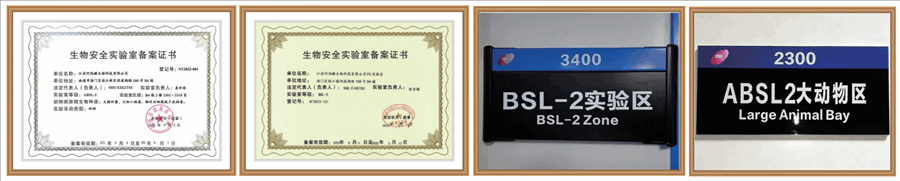
After years of in-house R&D and external services, KCI・KMQ has successfully established a variety of animal models for viral, bacterial and fungal infections. It is committed to providing customers with high-quality pharmacological and pharmacodynamic evaluation services, mainly including:
·In vitro anti-infective pharmacodynamic tests:antiviral activity – EC50/CC50 detection; MIC susceptibility test; FIC determination; impacts on biological characteristics, etc.
·In vivo vaccine immunogenicity tests:neutralization assay, hemagglutination inhibition test, cellular immunity, etc.
·Animal challenge protection tests:for vaccines and antiviral drugs;
·Infectious animal studies.

ConclusionThe successful establishment of herpes animal models serves as a critical link bridging basic research and clinical application. With stable and reliable performance, these models can provide strong support for research on herpes pathogenesis, drug development, and safety evaluation of clinical medications.The animal disease models developed by KCI・KMQ play a pivotal role in this field. Leveraging its professional model establishment and evaluation system, KCI・KMQ continuously delivers robust support for research institutions and pharmaceutical enterprises, jointly accelerating the translational progress from basic understanding to therapeutic breakthroughs in herpes disease research.
If you wish to obtain the detailed experimental protocols for the models, please leave a message in the comment section, and we will respond to you promptly~
