


 Warm congratulations
This represents not only authoritative recognition of the vaccine’s innovative potential, but also strong validation of KMQ Biotech’s professional service capabilities built upon the “gold standard” ferret influenza challenge model platform.
 01 Research Background: The Dilemma of Influenza Prevention and Control to Be Urgently Addressed
 02 Animal Model: Why Ferrets?
In this study, the ferret model played an irreplaceable and pivotal role.
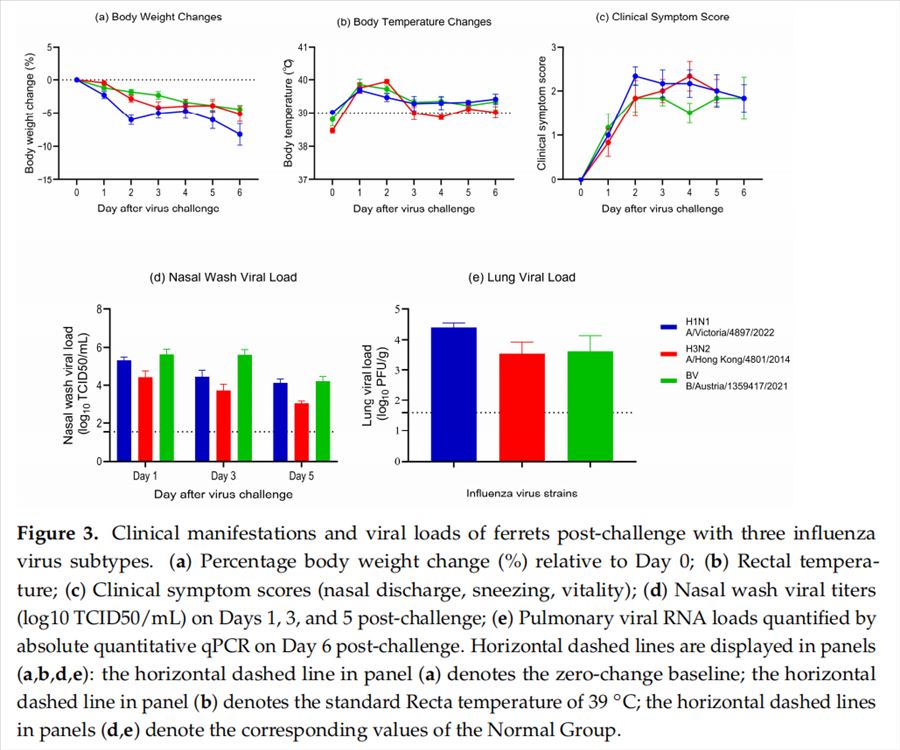
Compared with mice, ferrets share high similarities with humans in respiratory anatomical structure, pathological progression following viral infection and immune response patterns. After influenza virus infection, ferrets develop typical influenza symptoms observed in humans including cough, rhinorrhea, sneezing and fever. Hence, they are widely recognized as the “gold standard model” for preclinical evaluation of influenza vaccines and therapeutics.
KMQ Biotech relies on mature and stable platform technologies to provide customers with an evaluation environment that highly replicates real clinical scenarios, delivering reliable data support for vaccine research and development.
 03 Core Findings: Data Demonstrate the Vaccine’s Groundbreaking Potential
In this study, a rigorous experimental design was adopted to systematically evaluate the immunogenic effects of high- and low-dose CpG-TIV in ferrets:
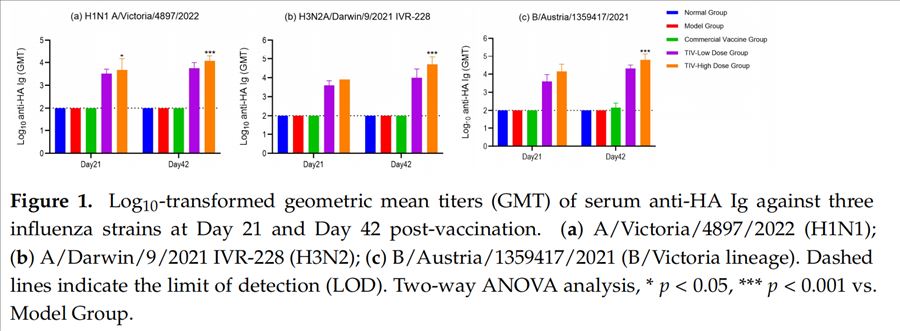
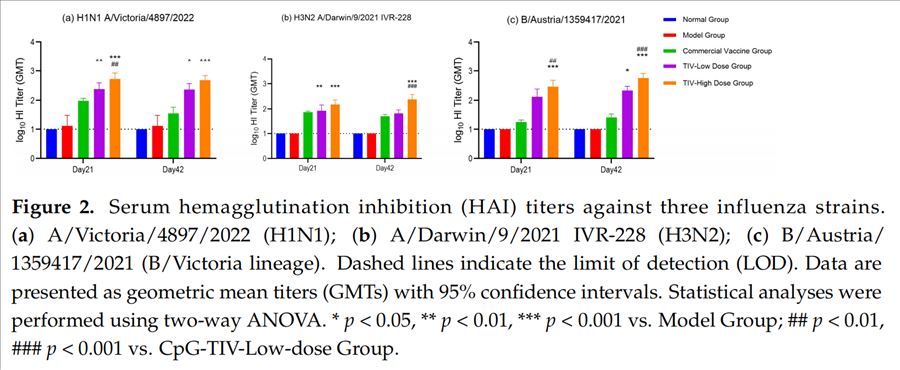
1. Superior Immunogenicity: The hemagglutination inhibition (HI) antibodies and IgG antibodies induced by CpG-TIV were markedly higher than those elicited by conventional non-adjuvanted vaccines. On Day 42 post-immunization, the high-dose group achieved HI geometric mean titers (GMTs) of 500, 254 and 594 against H1N1, H3N2 and B strains respectively, revealing a prominent dose-dependent effect.
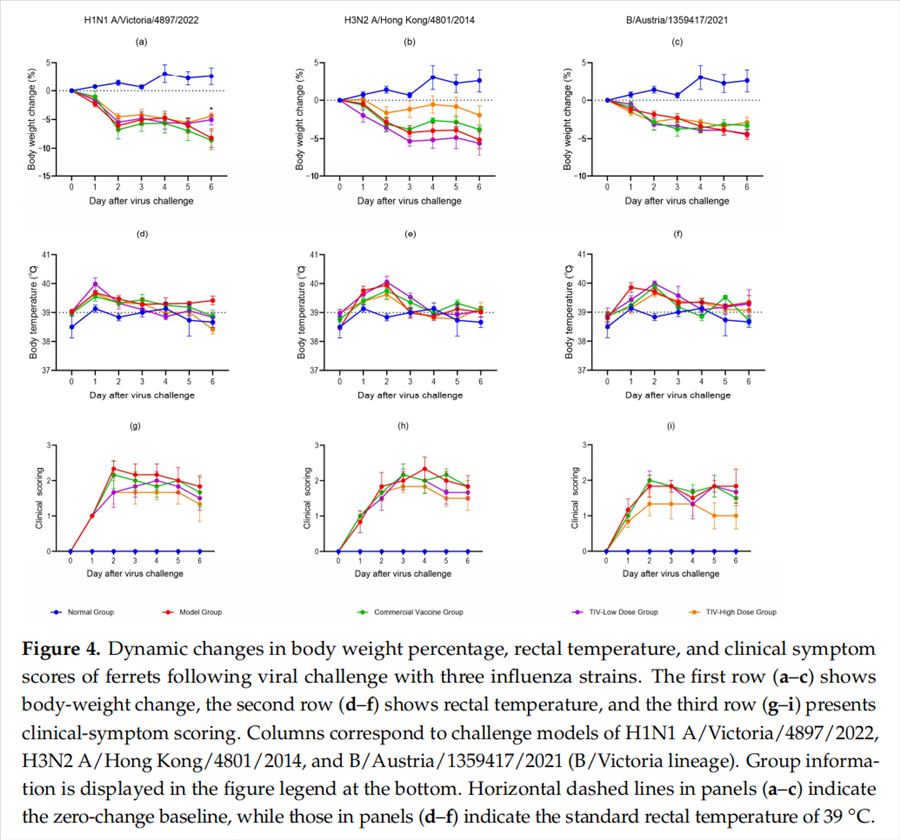
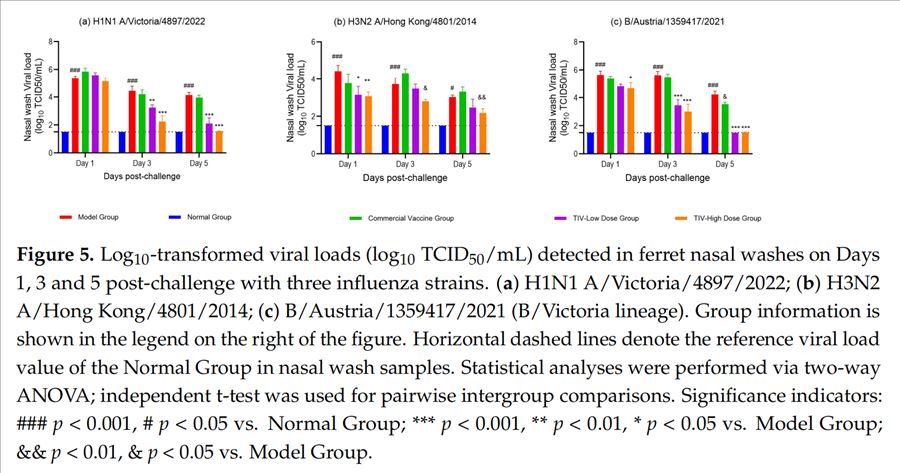
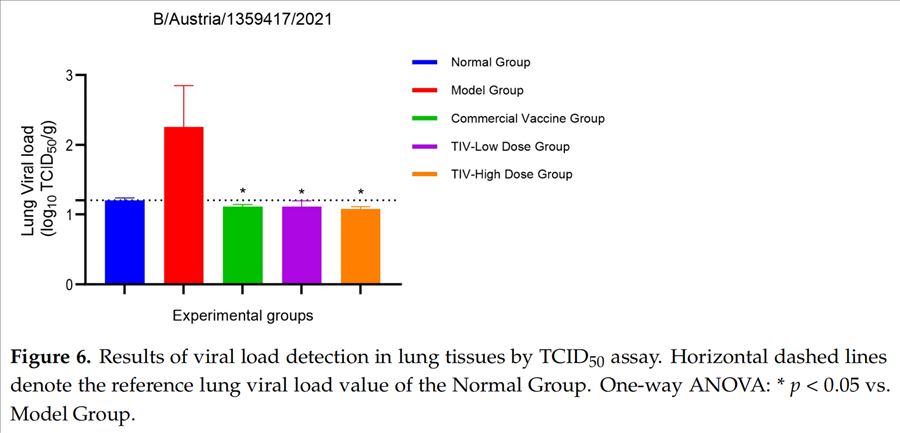
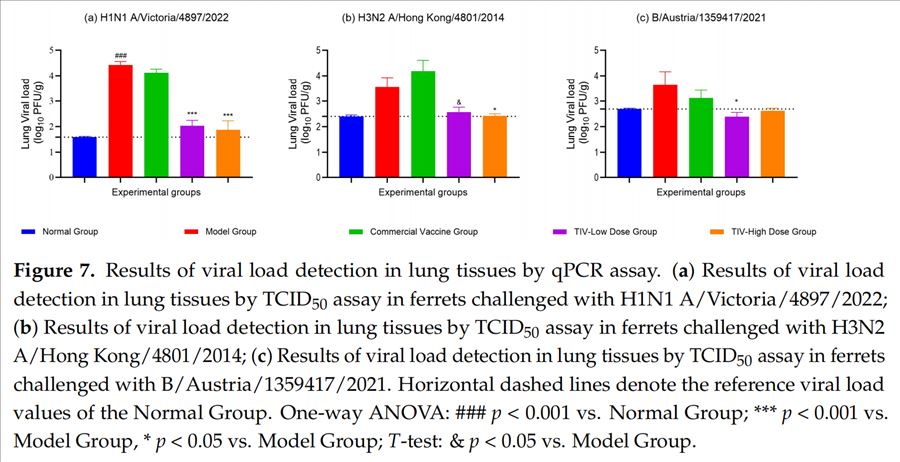
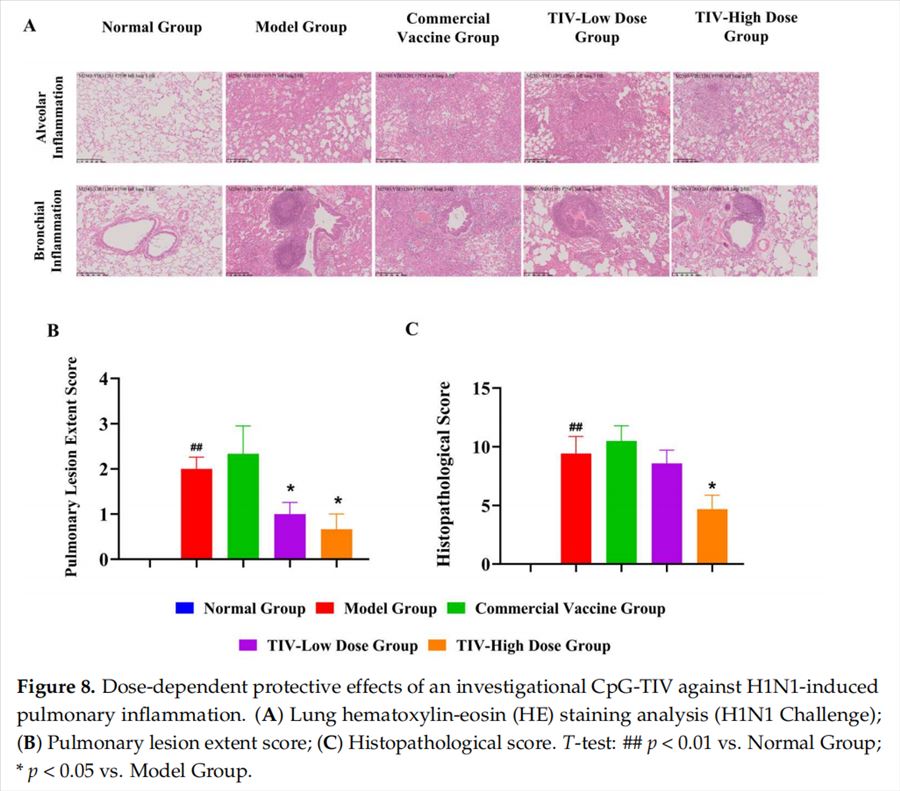
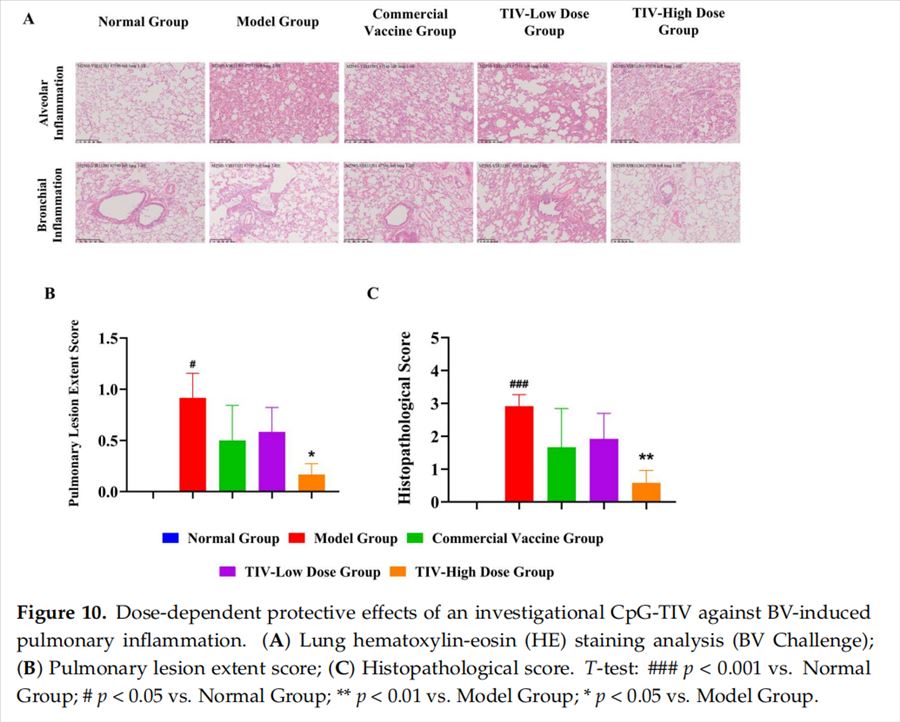
2. Excellent Homologous Protection: Upon homologous virus challenge, high-dose CpG-TIV not only significantly alleviated body weight loss and clinical symptoms in ferrets, but also reduced viral loads in nasal washes and lung tissues by more than 99% (maximum reduction of 2.58 log10), accompanied by remarkable mitigation of pulmonary pathological lesions.
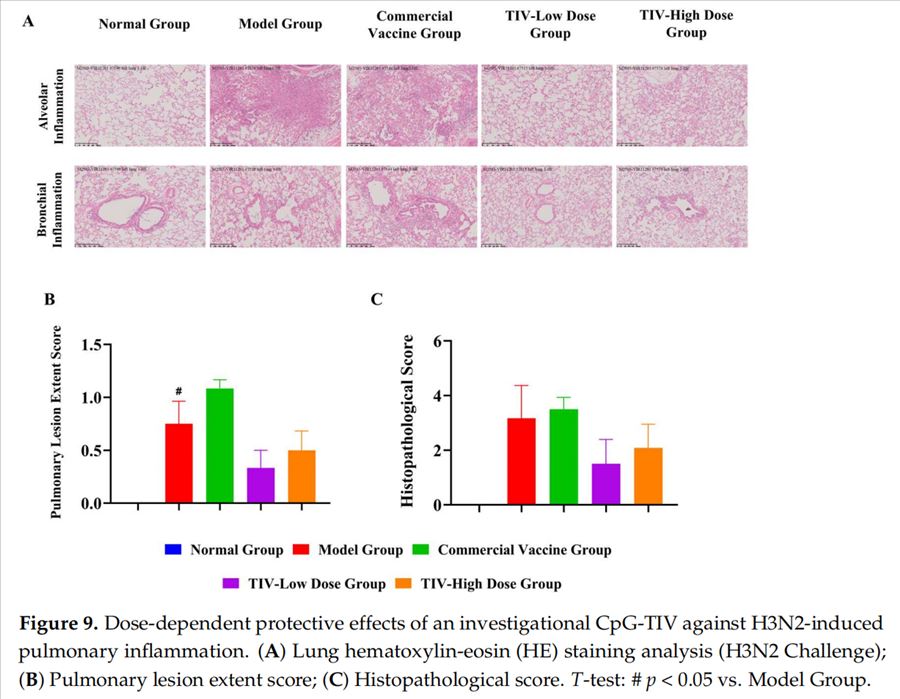
3. Critical Cross-Protection: Conventional vaccines exert little efficacy against heterologous drifted H3N2 strains, whereas high-dose CpG-TIV demonstrated decisive cross-protective potency, effectively lowering viral loads and pulmonary inflammation after challenge with heterologous strains.
 04 Professional Empowerment: KCI・KMQ Anti-Infective Vaccine and Drug R&D Service Platform
The successful publication of this paper is an outcome of the close collaboration between KMQ Biotech and Parr Bio.
The novel CpG adjuvant system independently developed by Parr Bio with full independent intellectual property rights,Relying on the innate immune activation mechanism, it enables precise regulation and robust enhancement of immune responses. The CpG adjuvant can effectively activate the body’s innate immune system and mediate comprehensive amplification of downstream specific immune responses. Compared with conventional influenza vaccines, it features three core technical advantages: improved quality and potency of immune responses, markedly reduced antigen dosage, and overall enhanced immunogenicity.
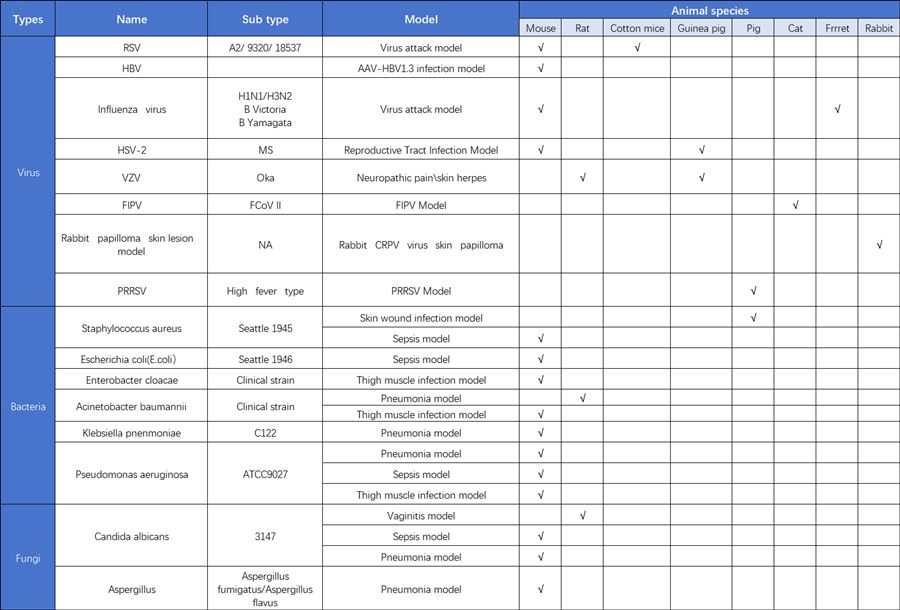
KMQ Biotech holds both BSL-2 and ABSL-2 certifications. The platform provides research services for anti-infective drug development covering more than 100 pathogenic microorganisms (bacteria, viruses and fungi), supporting the development of human medicines, veterinary drugs and pet pharmaceuticals. The BSL-2 laboratory covers an area of approximately 200 m², housing facilities for cell, virus and bacterial research. The ABSL-2 laboratory spans around 1000 m², including a 300 m² small-animal laboratory and a 700 m² large-animal laboratory.

After years of in-house R&D and external service provision, KCI・KMQ has successfully established a variety of animal models for viral, bacterial and fungal infections. It is committed to providing domestic and international clients with full-chain preclinical pharmacology and efficacy evaluation services ranging from early screening of anti-infective drugs to IND filing.
In this project, we provided:
· Standard operating procedures: Strict implementation of ferret immunization, virus challenge and sample collection.
· Precise detection technologies: Including hemagglutination inhibition assay (HAI), viral load testing (TCID₅₀ and qRT-PCR), and histopathological analysis to ensure the data truly reflect vaccine efficacy.
 Conclusion
The successful approval of HP-3001 validates that CpG-adjuvanted influenza vaccines represent a highly valuable innovative approach to tackle antigenically drifted strains. Congratulations to Parr Bio on this milestone achievement! This accomplishment also demonstrates KMQ Biotech’s profound technical expertise in ferret influenza models.
Going forward, KMQ Biotech will continue to uphold a rigorous scientific mindset, collaborate with more pharmaceutical enterprises and research institutions, deliver reliable quality with high standards, continuously improve the efficiency and capacity of drug research and development, facilitate global pharmaceutical innovation, and safeguard human health.
References
Vaccines 2026, 14(7), 615; https://doi.org/10.3390/vaccines14070615

About Parr Bio
About KCI・KMQ
KCI・KMQ are CRO companies focused on providing preclinical pharmacology and drug evaluation technical services for pharmaceutical research and development. The company has internationally advanced laboratory animal facilities certified by AAALAC in Suzhou and Nantong, with a total area of over 40,000m2 capabilities for meeting the needs of various preclinical experimental studies. The company has a comprehensive experimental animal platform including mice, rats, hamsters, guinea pigs, rabbits, cats, ferrets, dogs, pigs, sheep, and non-human primates. The company has in vivo pharmacology evaluation system with 500 different animal disease models; BSL2/ABSL2 anti-infection research and development service platform services more than 100 different pathogenic microorganisms (bacteria, viruses, and fungi) essential for human drugs, veterinary drugs, and pet drug development research. It also has multiple service platforms for pathology, toxicology, pharmacokinetics, cell and molecular biology, as well as medical imaging system, and has cooperated with 1,000 well-known domestic and international pharmaceutical companies, completing more than 200 domestic and international new drug registration projects.