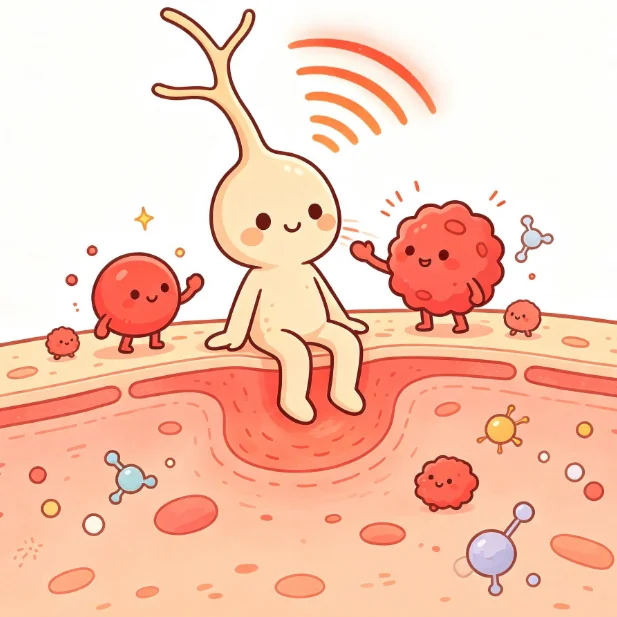

Inflammatory Pain refers to a painful state caused by inflammatory responses triggered by tissue injury or infection, which belongs to nociceptive pain. It is commonly observed in clinical conditions such as trauma, post-operative recovery, arthritis, and infection, and represents one of the most fundamental and important models in pain research.

Inflammatory Pain is the most common subtype of nociceptive pain in clinical practice, frequently accompanying disease processes including trauma, infection, rheumatoid arthritis, osteoarthritis, and postoperative injury.
·Following tissue injury, local macrophages, mast cells and neutrophils release large amounts of pro-nociceptive inflammatory mediators including TNF-α, IL-1β, IL-6, PGE₂, bradykinin and NGF. These mediators continuously lower the activation threshold of dorsal root ganglia (DRG) and peripheral nociceptors, induce peripheral sensitization manifested as hyperalgesia and allodynia.
·Inflammatory signals transmitted upward through the spinal dorsal horn can activate central glial cells, further leading to central sensitization, which drives the transition from acute inflammatory pain to chronic persistent pain. This severely impairs patients’ motor function and quality of life and imposes a heavy socioeconomic healthcare burden.
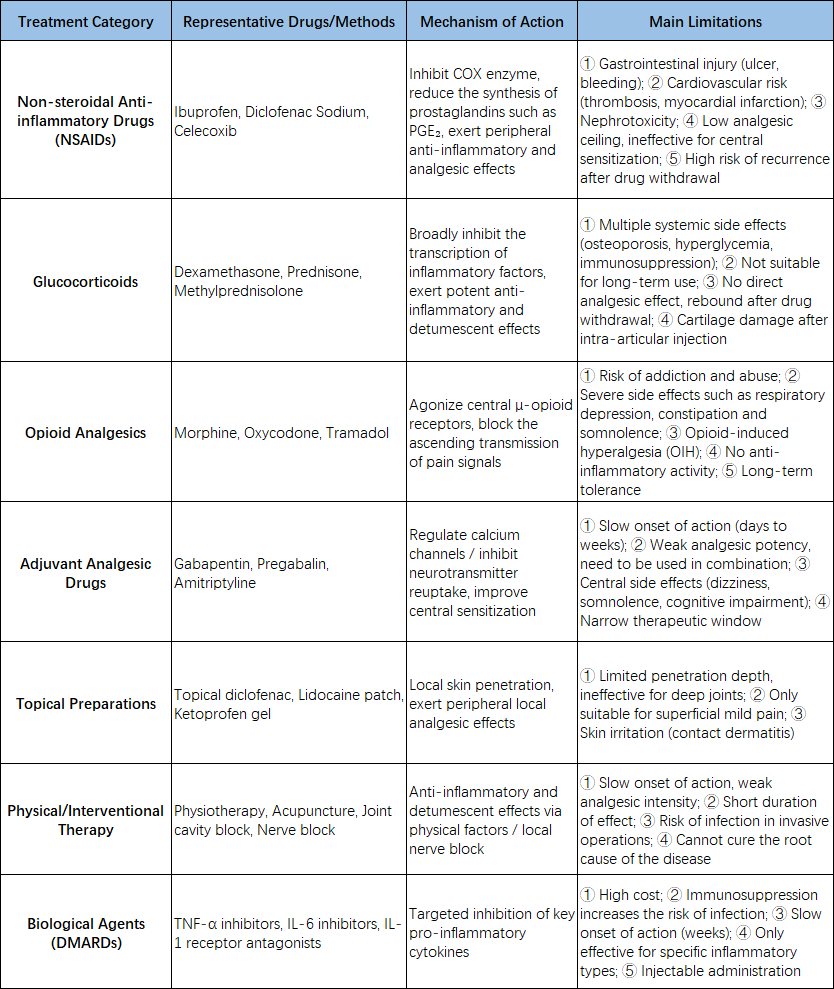
 Therapeutic Drugs for Inflammatory Pain and Their Limitations
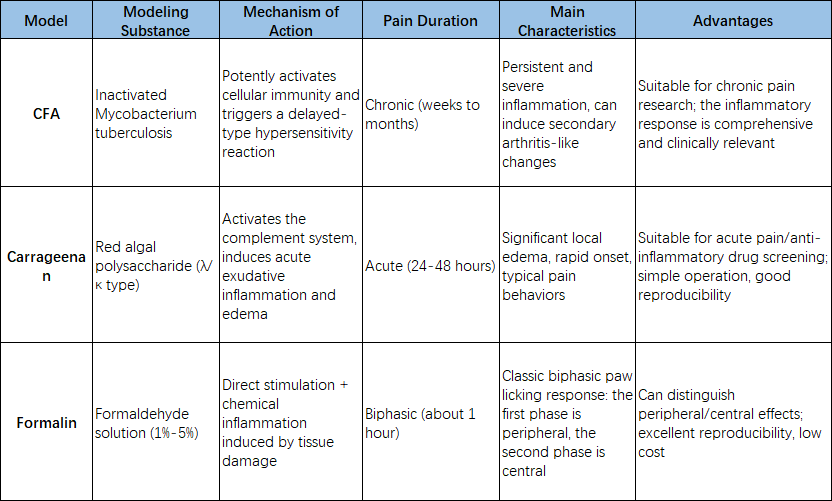


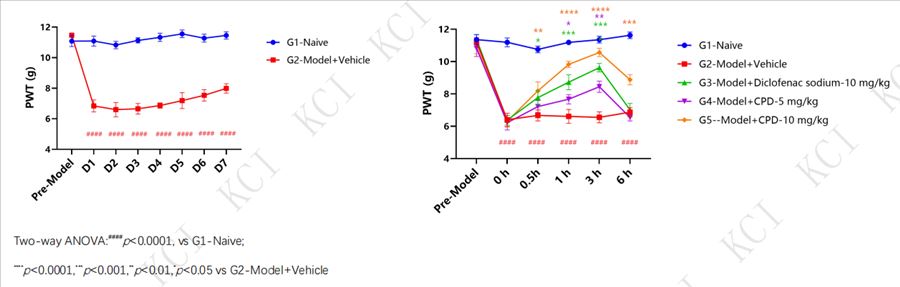
01 Pharmacodynamic Detection of Test Substance in Mouse CFA Model
 Data Presentation
·Measurement of Mechanical Pain Threshold
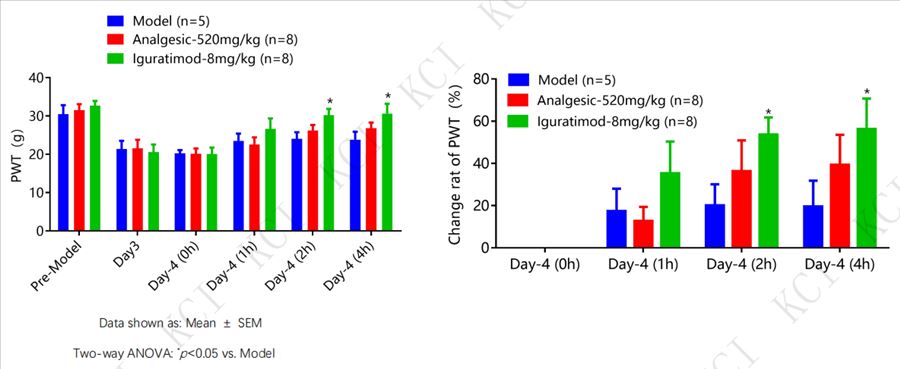
02 Pharmacodynamic Detection of Test Substance in Rat CFA Model
 Data Presentation
·Measurement of Mechanical Allodynia Threshold
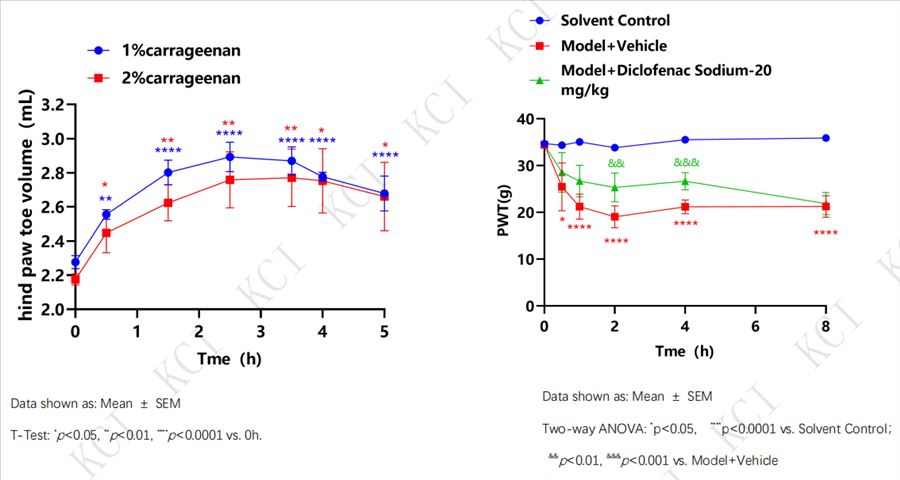
03 Rat Carrageenan Model
 Data Presentation
Case 1 – Pharmacodynamic Verification of the Model and Positive Drug Diclofenac Sodium
·Paw Volume Measurement & Mechanical Allodynia Threshold Detection
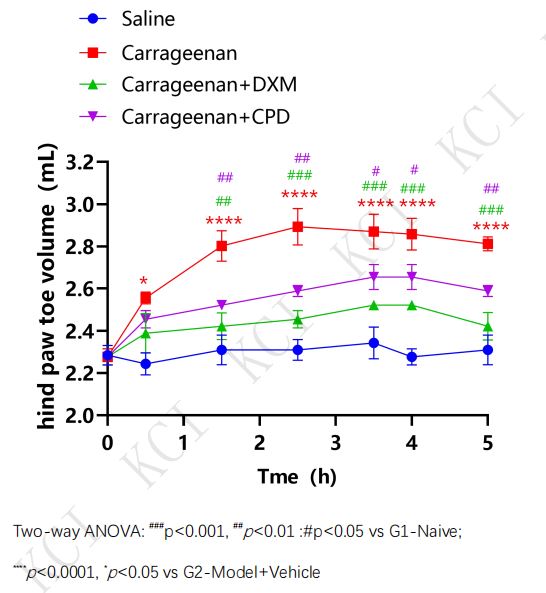
Case 2 – Test Substance Inhibits Carrageenan-Induced Paw Edema
·Paw Volume Measurement
·Hematoxylin-Eosin (HE) Staining Pathological Analysis
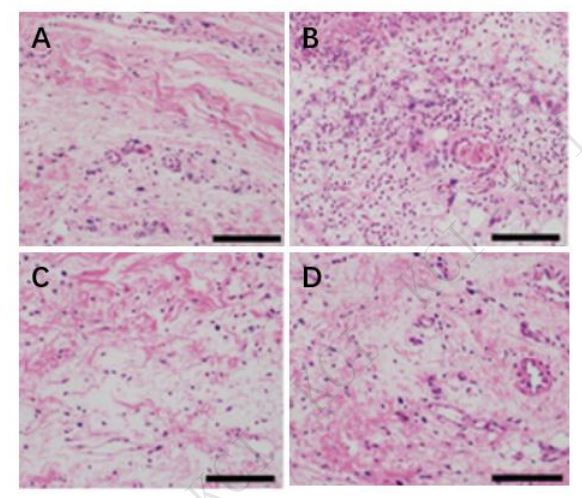
Group A (Blank Control, normal saline): Collagen is densely and orderly arranged, without edema or neutrophil infiltration, and no vasodilation.
Group B (Model Group, 5 h after carrageenan administration): Loose interstitial edema, extensive diffuse infiltration of neutrophils, and vasodilation and hyperemia (hallmarks of acute inflammation).
Group C/D (Treatment Groups): Marked alleviation of edema, inflammatory cell infiltration, as well as vasodilation and hyperemia.
KCI・KMQ Pain Pharmacology and Pharmacodynamic Evaluation Platform possesses a comprehensive system of animal models. With extensive accumulated project experience, the platform can meet diversified research requirements. To date, the company has established extensive long-term partnerships with numerous well-known pharmaceutical enterprises and research institutions at home and abroad, laying a solid foundation for the development of innovative drugs.
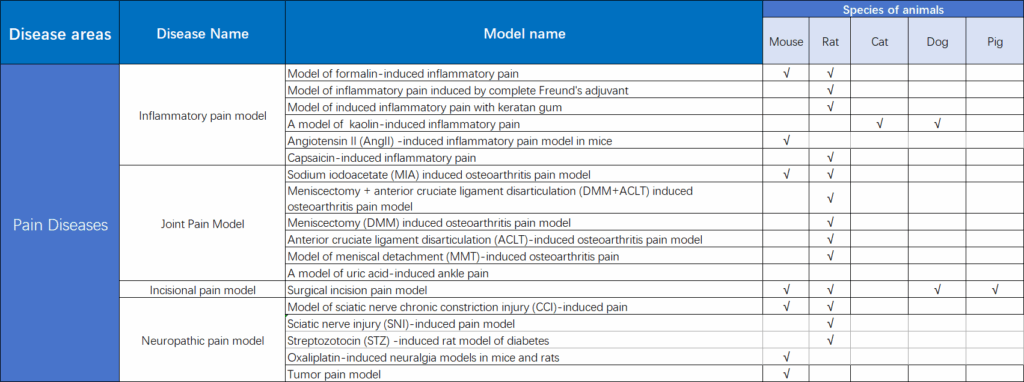
Successful establishment of inflammatory pain animal models serves as a vital link connecting basic research and clinical application. Their stability and reliability provide solid support for research on the pathogenesis of inflammatory pain, drug development, and safety evaluation of clinical medications. The animal disease models of KCI・KMQ play a pivotal role in this field. Supported by professional model establishment and evaluation systems, we continuously deliver robust support for research institutions and pharmaceutical enterprises, jointly accelerating the rapid translation from basic understanding to therapeutic breakthroughs in inflammatory pain research.
Should you require detailed experimental protocols for the models, please leave a message in the comment section, and we will respond to you promptly.