
Acute Lung Injury (ALI) is a clinical syndrome induced by multiple factors, characterized by severe hypoxemia, decreased lung elasticity and significant pulmonary edema. In severe cases, it can progress to Acute Respiratory Distress Syndrome (ARDS). As a critical illness commonly seen in Intensive Care Units (ICUs), it has a mortality rate of 40% to 50%. With the growing burden of respiratory diseases and surging demand for drug research and development, the market for ALI models is expanding rapidly at an annual growth rate of 16% to 20%.
Today, we conduct a comprehensive analysis of animal models for acute lung injury to facilitate advances in scientific research and clinical understanding.
1. Global Market
Driven by the rising prevalence of respiratory diseases, the overseas market reached approximately 390–540 million US dollars in 2025. It is projected to grow at a compound annual growth rate of 16% to 20%, exceeding 1.1 billion US dollars by 2031 and 1.7 billion US dollars by 2035. In terms of regional distribution, North America holds the largest market share, Europe has a mature market, and the Asia-Pacific region registers the fastest growth.
2. Domestic Market
China’s market for acute lung injury models is in a period of rapid growth with an annual growth rate of 22% to 25%. The market size stood at around 4.8 billion yuan in 2023 and is expected to surpass 15 billion yuan by 2030. The industry is now at a critical stage of transitioning from laboratory innovation to large-scale industrial application.
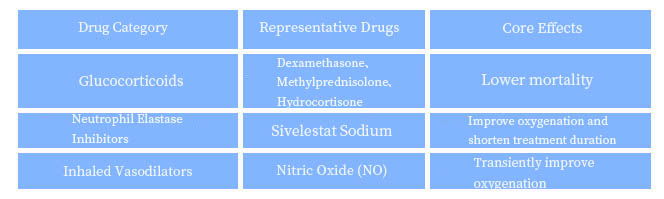
3. Current Status of Treatments
01 LPS-induced Acute Lung Injury Model in Mice
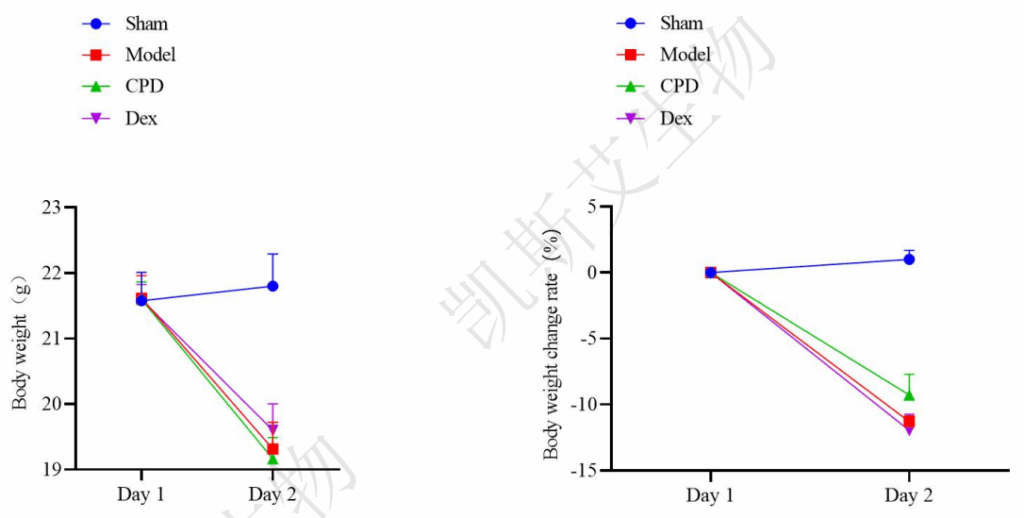
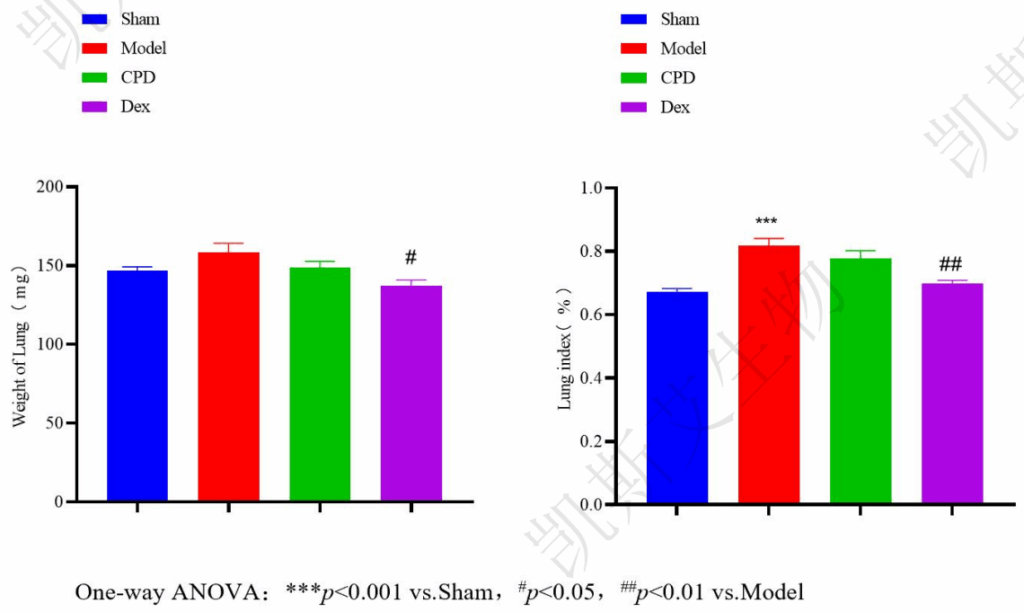
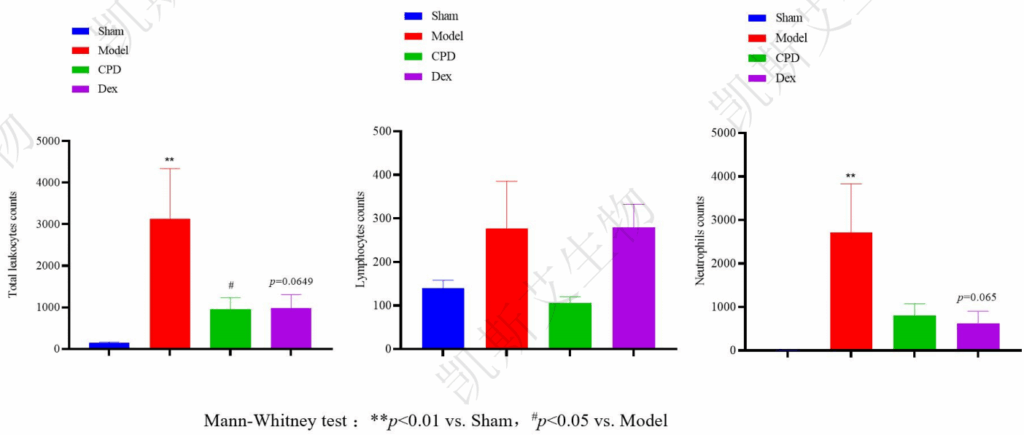
Evaluation indicators: Body weight, lung index, BALF analysis, pathological examination
Data Presentation
·Body weight
·Lung index
·BALF inflammatory cell differential
· Inflammatory factors in BALF supernatant
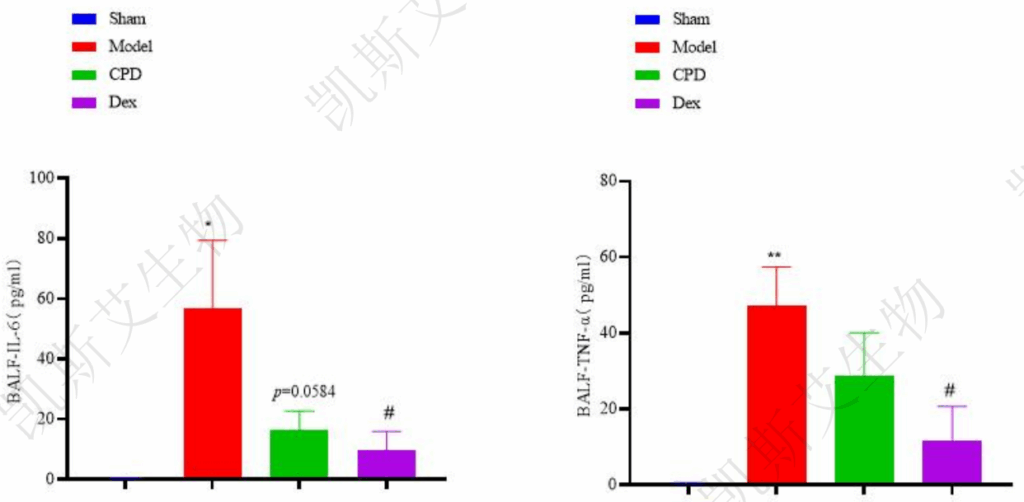
·HE staining
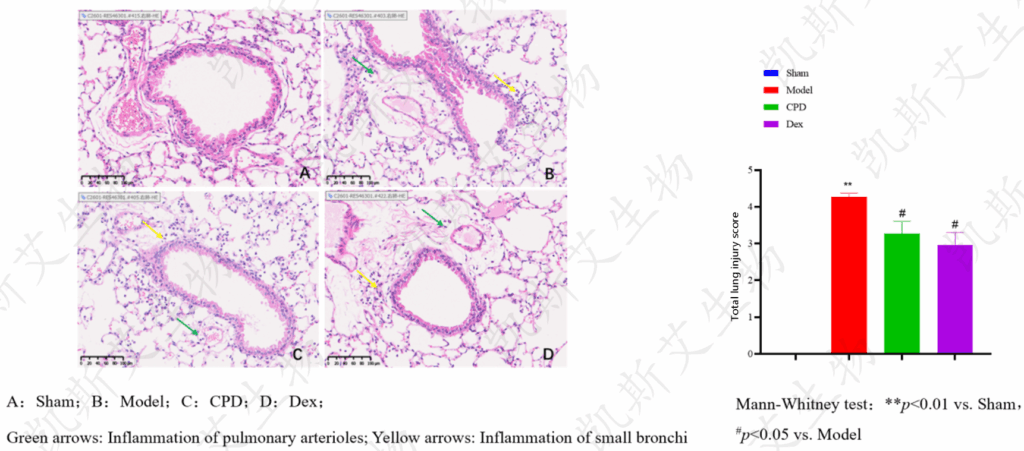
02 LPS-induced Acute Lung Injury Model in SD Rats
Evaluation indicators: Body weight, lung index, BALF analysis, pathological examination, detection of serum inflammatory factors
Data Presentation
·Body weight and lung index
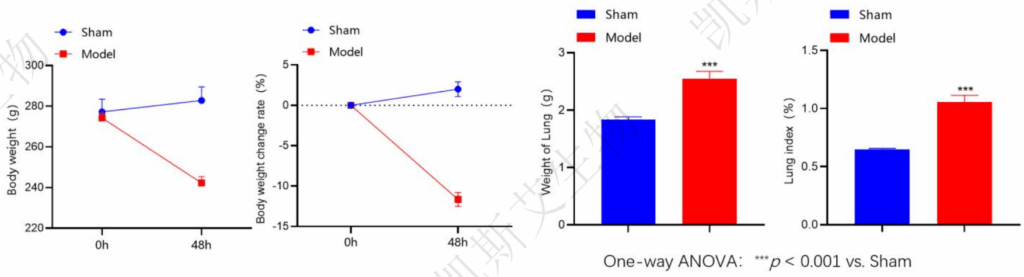
·BALF inflammatory cell differential
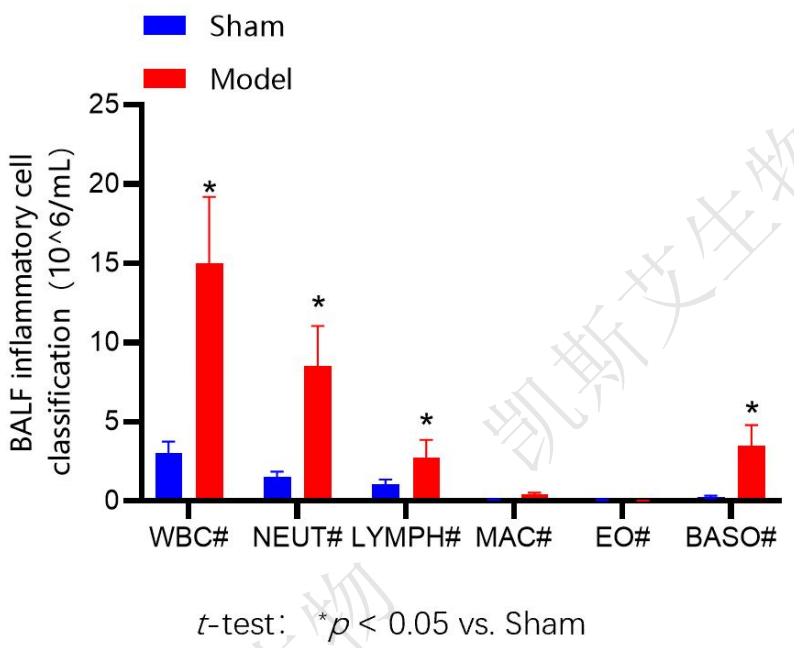
·Inflammatory factors in BALF supernatant
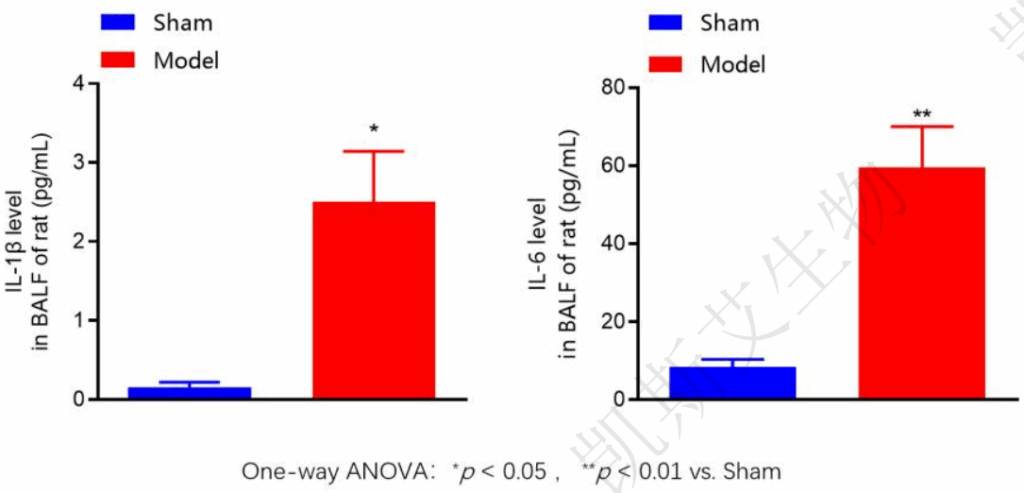
·Detection of serum inflammatory factors
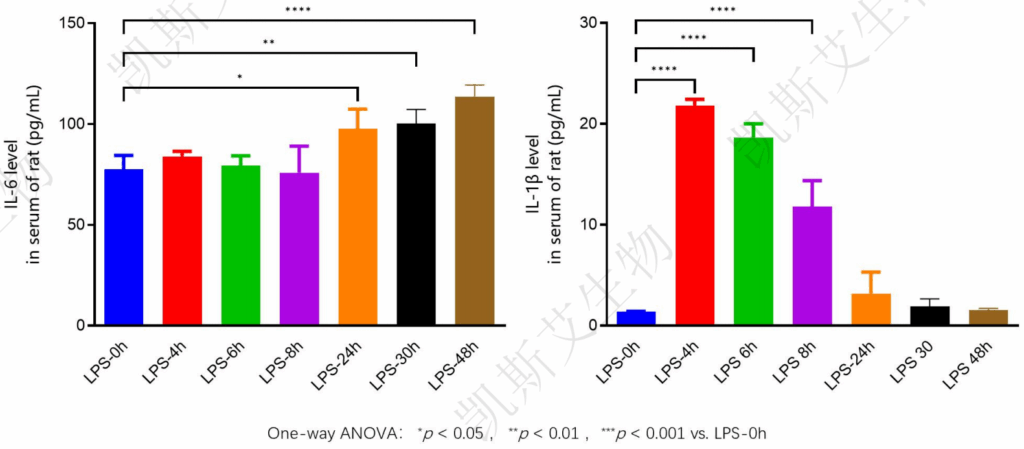
·HE staining
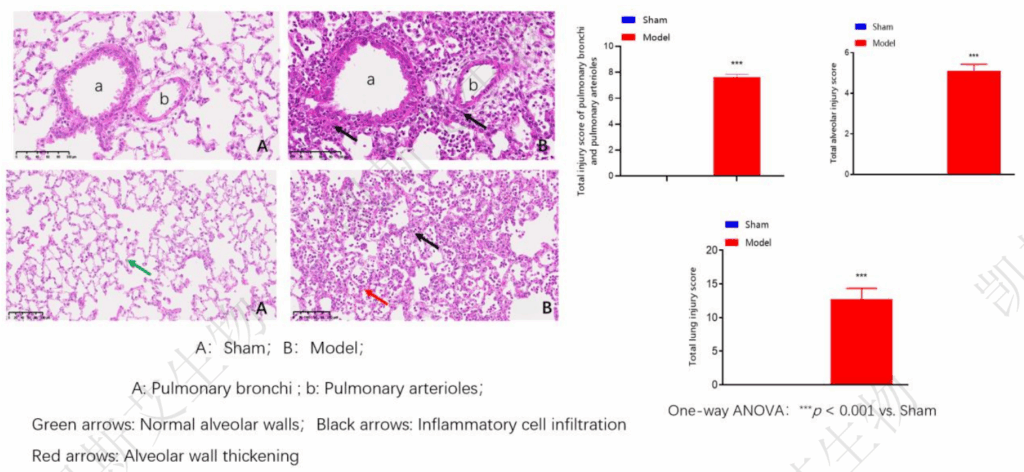
·IHC-TUNEL staining
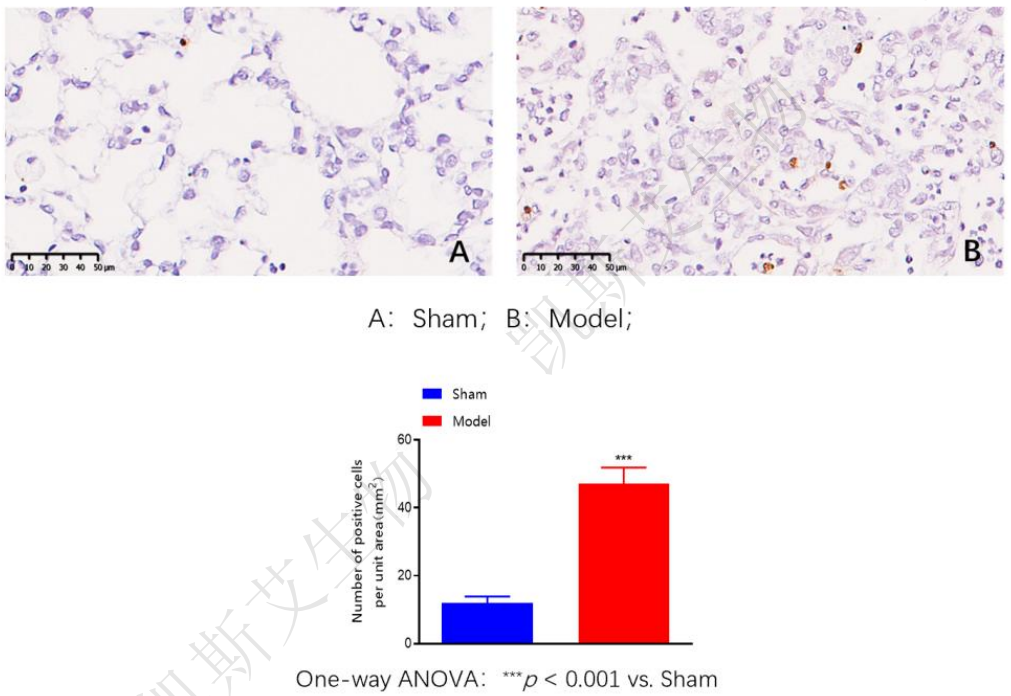
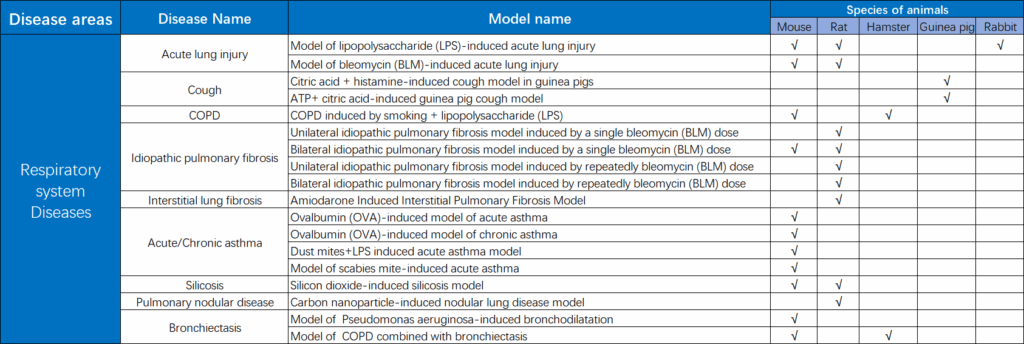
KCI•KMQ Pharmacodynamic Evaluation Platform for Respiratory Diseases boasts a comprehensive animal model system and extensive project experience, capable of meeting diverse research needs. To date, we have established long-term partnerships with numerous renowned pharmaceutical enterprises and research institutions at home and abroad, laying a solid foundation for the development of innovative drugs.
Conclusion
Value of Animal Models: A Critical Bridge from Mechanism Analysis to Clinical Translation