In kidney-related research experiments, tissue grinding serves as a fundamental step for protein extraction and indicator detection. The homogeneity of grinding directly affects the accuracy of subsequent experimental data. Many novice researchers encounter insufficient grinding, protein degradation and sample contamination due to improper operations, resulting in unnecessary loss of precious samples.
This article provides a detailed standard operating protocol for mouse kidney tissue grinding, covering sample pretreatment, grinding solution preparation, grinding parameters and sample storage with key notes for each step. It enables beginners to conduct operations smoothly and supports various follow-up protein-related experiments.


1. Remove mouse kidney tissues from the -80°C freezer, thaw on ice and transfer into 2.0 mL centrifuge tubes.
2. Add prechilled grinding buffer at 4°C into each sample tube at a tissue-to-buffer ratio of 1:10 (g/mL). For example, add 1 mL grinding buffer per 0.1 g tissue. The grinding buffer is prepared with T-PER tissue protein extraction reagent supplemented with 1× Halt protease and phosphatase inhibitor cocktail.
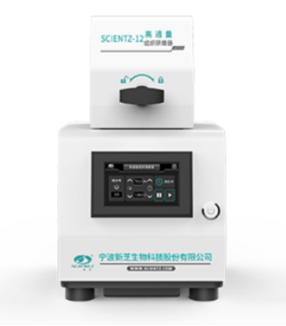
3. Add two prechilled 3 mm-diameter steel beads to each sample. Grind at 1200–1500 rpm for 1 min per run with two grinding cycles, then check homogenization status.
4. Centrifuge samples at 10000 g for 5 min at 4°C and collect the supernatant without disturbing the pellet.
5. Mix the harvested supernatant and determine total protein concentration via the BCA method.
6. Aliquot remaining supernatant as required and store at -80°C.
·Keep low temperature throughout the whole process: All procedures including sample thawing, lysis buffer preparation, homogenization, centrifugation and sample storage should be performed on ice or at 4°C to prevent protein degradation.
·Homogenization parameters: Increase homogenization cycles appropriately if tissue particles remain. Excessively high rotating speed or prolonged running time may cause sample overheating, while insufficient speed or short duration leads to incomplete homogenization.
·Contamination prevention: Wear gloves and masks during operation; use disposable pipette tips to avoid cross-contamination. Pipette supernatant gently after centrifugation to prevent pellet aspiration.
·Sample storage: Transfer aliquoted samples into -80°C freezer promptly and avoid repeated freeze-thaw cycles.
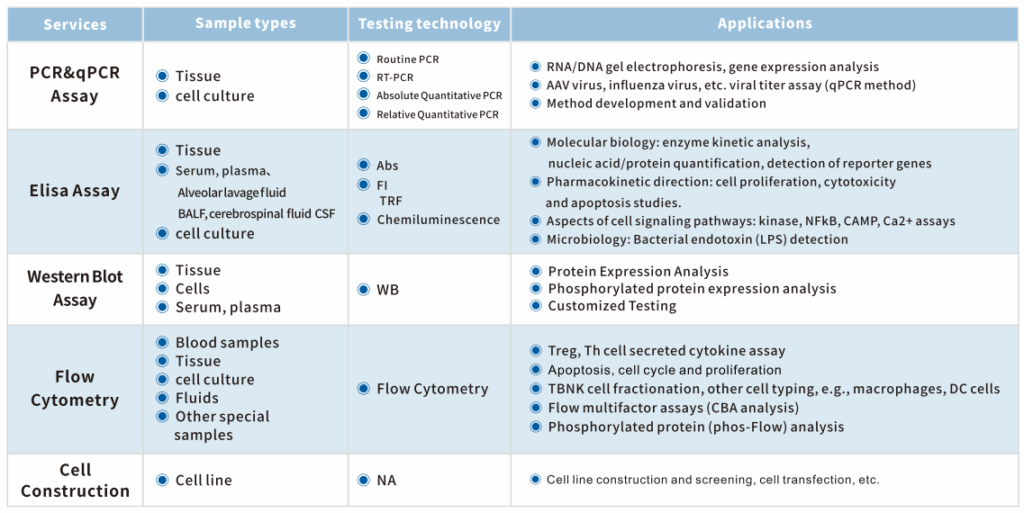
Equipped with advanced technologies and extensive project experience, the KCI・KMQ Molecular Biology Platform completes over 300 biochemical test items daily and delivers diverse molecular biology services including flow cytometry analysis, qPCR, ELISA, WB as well as IP/Co-IP. The platform has built long-term extensive partnerships with numerous renowned pharmaceutical enterprises and research institutions worldwide, laying a solid foundation for innovative drug development.