

Atopic Dermatitis 
Itchy recurrences, dry skin, persistent rashes… As a globally prevalent chronic inflammatory skin disease, Atopic Dermatitis (AD) troubles an increasing number of patients and their families. For this stubborn disease that is hard to cure and prone to relapse, clinical diagnosis, treatment and new drug research and development never stop. Research models of atopic dermatitis serve as a critical bridge to uncover pathogenesis and verify therapeutic regimens.
Atopic Dermatitis (AD), also known as atopic eczema, is a chronic, recurrent inflammatory skin disease caused by the combined effects of genetics, immunity, skin barrier, and environmental factors. Its core manifestations include severe pruritus, xerosis and eczematous lesions, characterized by erythema, exudation and crusting in the acute phase, and lichenification and pigmentation in the chronic phase. It is often complicated by allergic rhinitis, asthma and other atopic diseases, constituting the “atopic march”. There are over 70 million AD patients in China. The disease has a high incidence among infants and young children and can also occur in adults. Frequent long-term relapses severely impair quality of life, making it one of the key chronic diseases focused on by dermatologists.

Current Therapeutic Regimens and Latest Advances in Atopic Dermatitis
1. Basic Treatment
Centered on moisturizing repair, irritation avoidance and skin barrier restoration, it lays the foundation for all AD patients and is critical for preventing disease recurrence.
2. Topical Medications
Low-to-medium potency corticosteroids, tacrolimus/pimecrolimus and crisaborole are applied to relieve inflammation and pruritus in mild-to-moderate cases.
3. Systemic Therapy for Moderate-to-Severe Cases
Conventional regimens include immunosuppressants such as cyclosporine and methotrexate, which require regular monitoring of organ function indicators.
4. Innovative Targeted Systemic Drugs
·Biologics (e.g. dupilumab) precisely block IL-4/IL-13 with favorable safety and efficacy profiles;
·Oral JAK inhibitors (abrocitinib, upadacitinib) deliver rapid pruritus relief and convenient administration;
·Continuous breakthroughs have been achieved in topical JAK inhibitors, barrier-repairing preparations and probiotic/microecological therapies.
The pathogenesis of atopic dermatitis (AD) is complex with significant individual variations. Preclinical pharmacodynamic and safety evaluations must be conducted before the launch of all new AD drugs. AD models act as core tools for analyzing pathogenesis, screening topical and systemic targeted drugs, and investigating the crosstalk among skin barriers, immunity and nerves, which are divided into two major categories: in vivo animal models and in vitro cell/3D skin models.
·In vitro models rely on 2D co-culture, 3D artificial skin and skin chips for barrier repair research and preliminary screening of small-molecule compounds.
·In vivo animal models mainly include spontaneous genetic models, induced models, gene-edited models and humanized models. Mice, rats and dogs are commonly used at present, which can respectively simulate distinct pathological features such as genetic susceptibility, environmental induction, chronic inflammation and barrier defects. An ideal animal model should highly recapitulate human pathological characteristics. Rodents have prominent species differences and cannot fully reproduce the complex progression of human AD. Canine AD models feature highly similar skin structures and immune pathways to humans, boasting prominent translational value and serving as the preferred medium-to-large animal model for pharmacodynamic evaluation.
Case Sharing on Pharmacodynamic Evaluation of Triamcinolone in
DNCB-induced Canine Atopic Dermatitis Model
The DNCB-induced canine AD model established by KCI Biotech adopts beagles as experimental subjects. A standardized sensitization-challenge procedure is performed to stably recapitulate core AD phenotypes, making it a standardized tool for preclinical research:
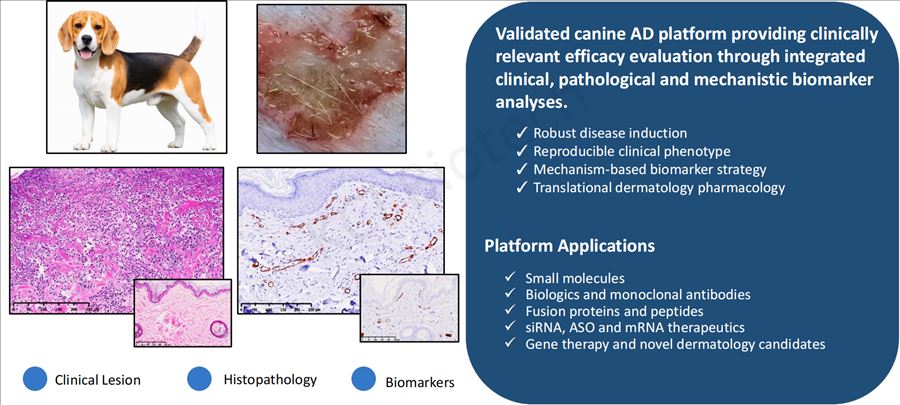
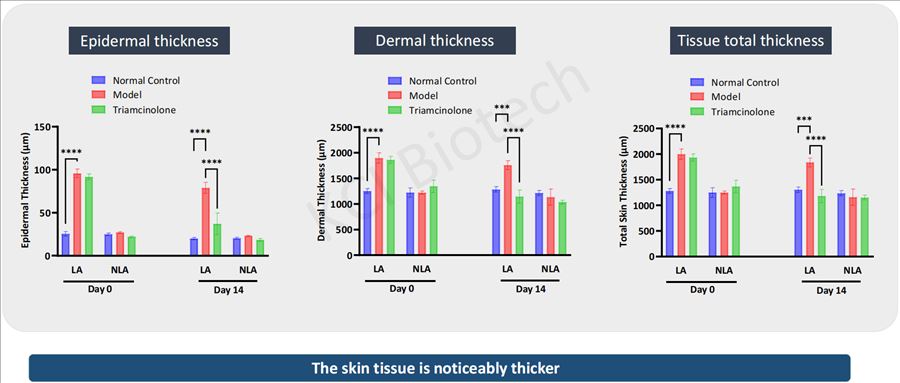
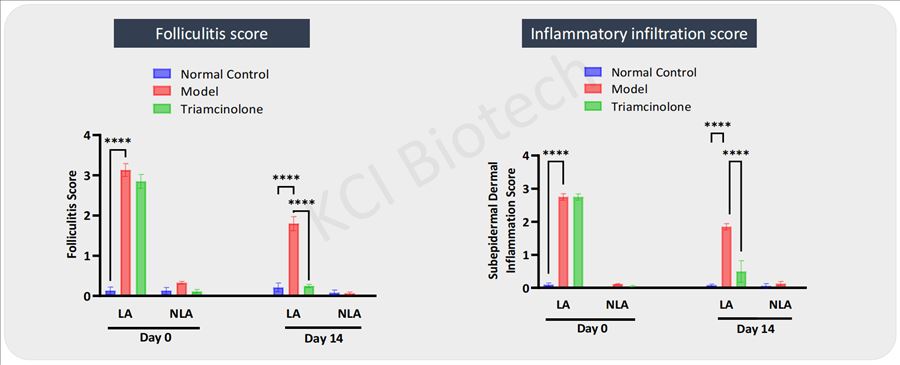
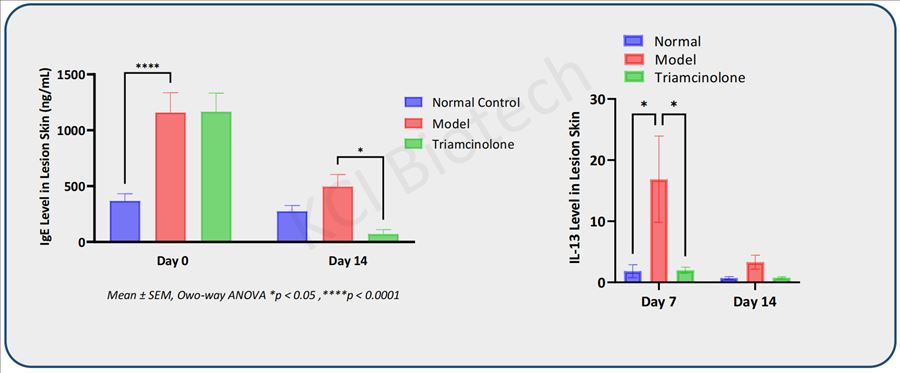
·Core Characteristics: Typical AD manifestations including erythema, scaling, pruritus and lichenification can be observed; epidermal hyperplasia and inflammatory cell infiltration are visible under pathological examination; immune indicators IgE, IL-4 and IL-13 increase significantly, truly recapitulating the pathological and immune features of human AD.
·Model Advantages: Canine skin bears high similarity to human skin, generating pharmacodynamic data with superior translational potential; the modeling cycle is controllable with stable phenotypes and favorable repeatability; a single allergen is adopted to eliminate interfering factors, suitable for precise evaluation.
·Application Scenarios: It supports pharmacodynamic assessment of novel AD drugs including topical, oral and biologic agents, pathogenesis research, verification of combination therapies and development of veterinary dermatological products, providing a compliant, efficient and reliable experimental platform for research projects.


Data Presentation
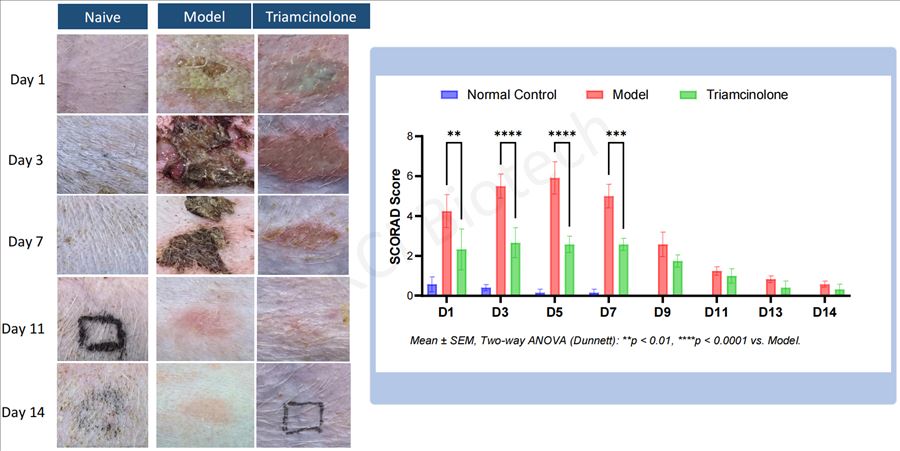
·Clinical Manifestations | SCORAD Score
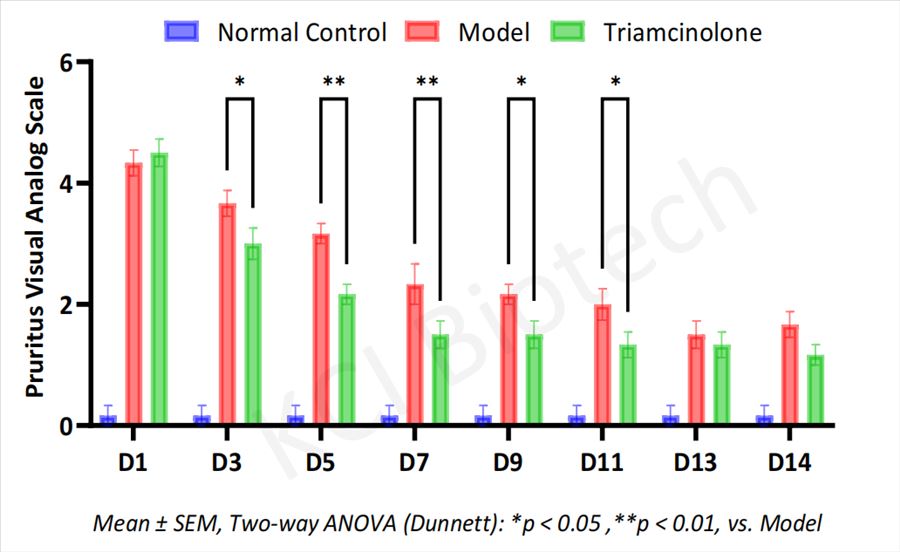
·Disease Severity | PVAS
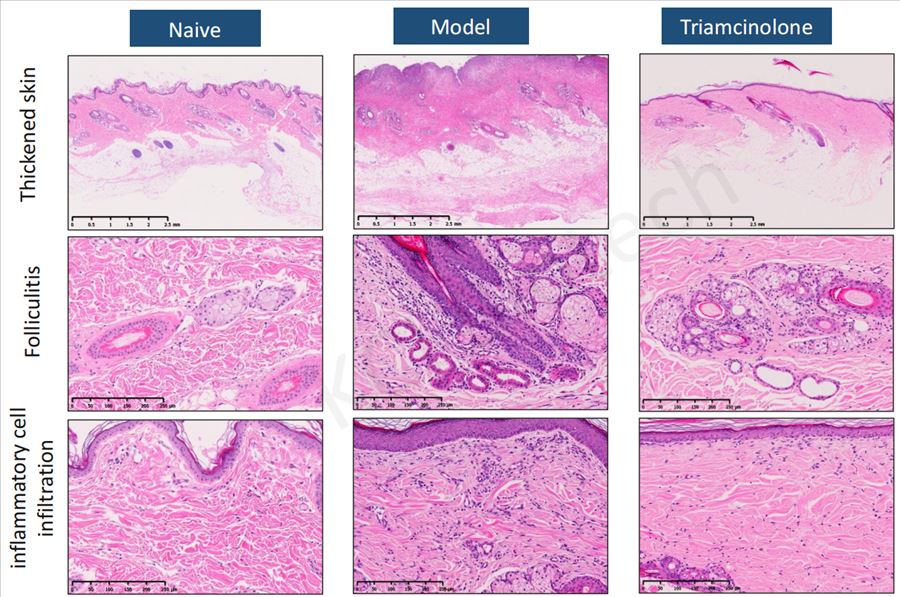
·Histopathology | H&E Staining
·Histopathological Score | Quantitative Pathology
·Histopathological Score | Semi-quantitative Pathology
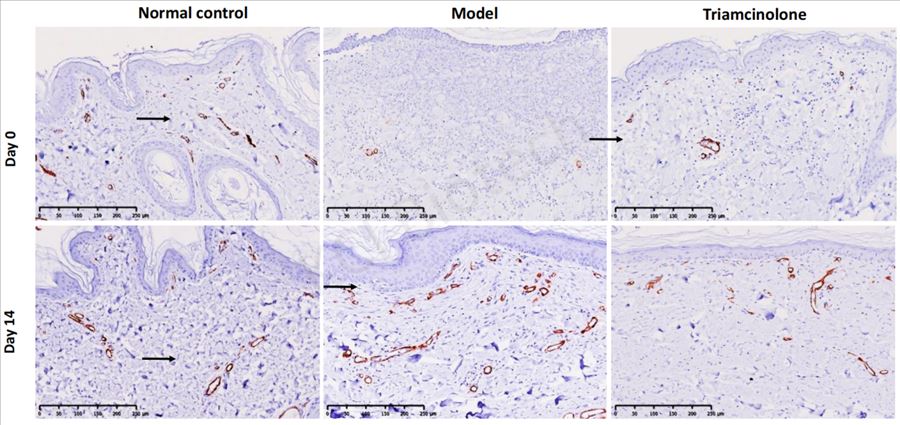
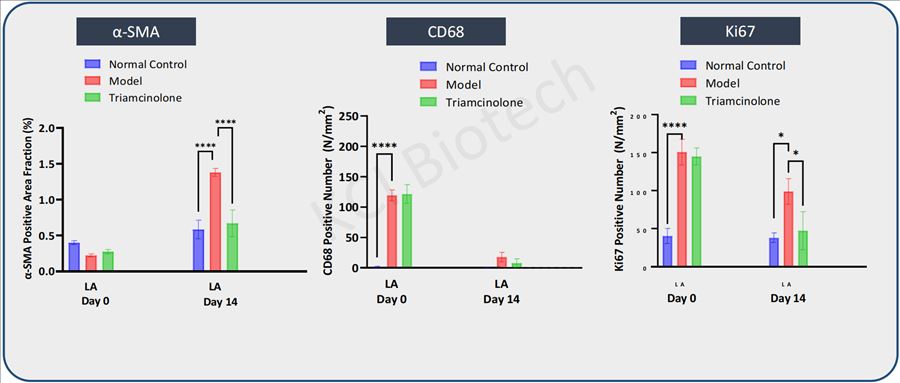
·Representative α-SMA Staining Images
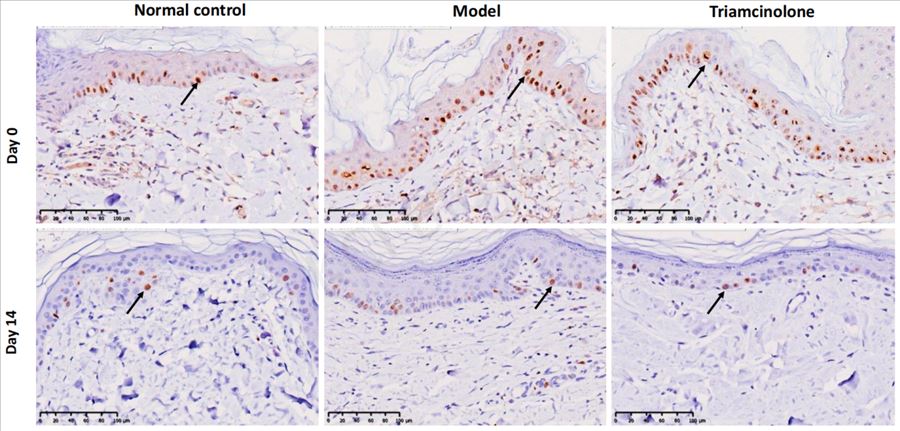
·Representative Ki67 Staining Images
·Representative CD68 Staining Images
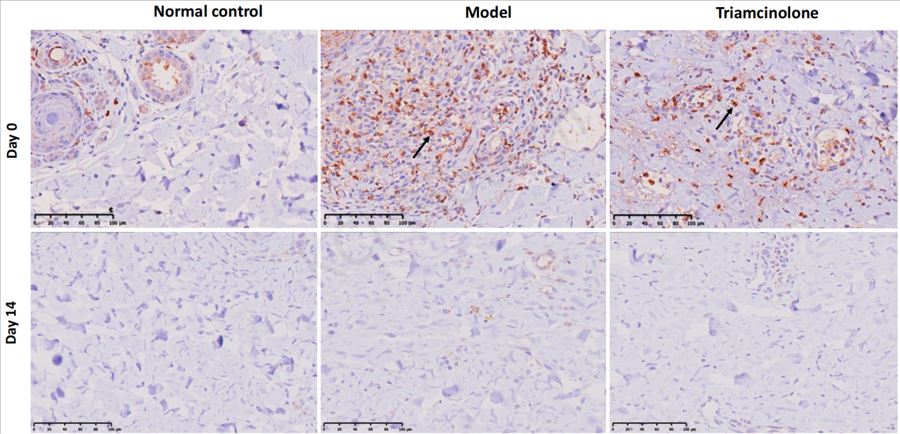
·Biomarker Strategy | IHC of Skin Tissues
·Biomarker Strategy | ELISA of Skin Tissues
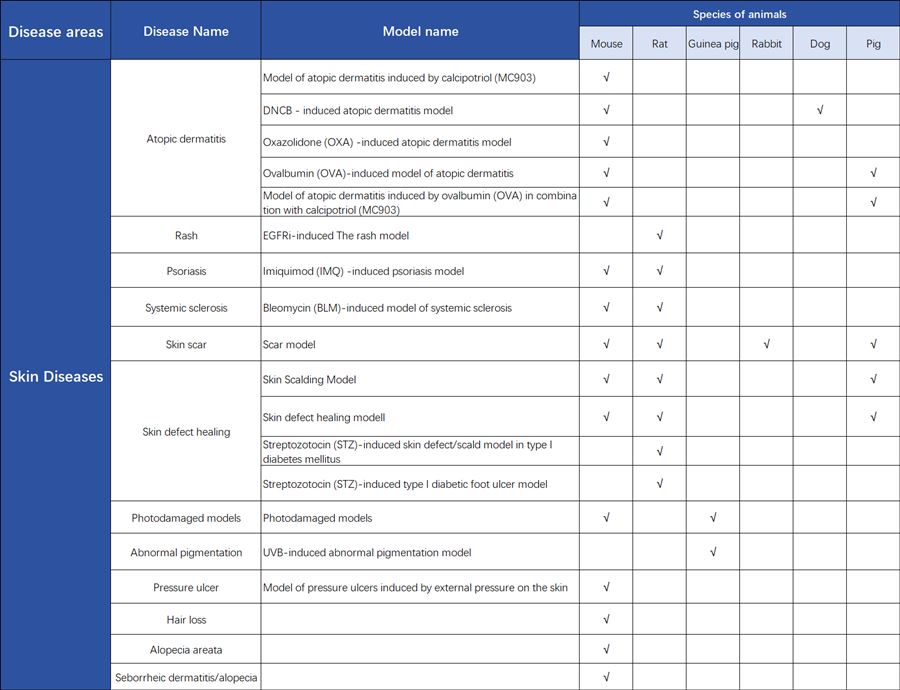
The KCI・KMQ Pharmacology and Efficacy Evaluation Platform for Skin Diseases boasts a comprehensive animal model system. The platform has accumulated abundant project experience to meet diversified research demands. At present, the company has established extensive long-term cooperation with numerous well-known pharmaceutical enterprises and research institutions at home and abroad, laying a solid foundation for the development of innovative drugs.
The successful establishment of animal models for atopic dermatitis serves as a vital link connecting basic research and clinical application. With stable and reliable performance, such models offer robust support for research on the pathogenesis of atopic dermatitis, new drug development, and safety evaluation of clinical medications. The animal disease models developed by KCI・KMQ play an indispensable role in this field. Supported by professional model construction and evaluation systems, we continuously deliver powerful technical support for research institutions and pharmaceutical enterprises, jointly accelerating translational progress from fundamental research to therapeutic breakthroughs in dermatology.
If you need the detailed experimental protocols of the models, please leave a message in the comment section, and we will respond to you promptly.