
Atherosclerosis develops as lipids and immune cells form plaques in artery walls. The best model tests a candidate therapy’s biological hypothesis. APOE knockout mice are widely used because loss of apolipoprotein E disrupts remnant-lipoprotein clearance, causing hyperlipidemia and lesions. Lesions can develop on chow and progress faster with an atherogenic diet.
Apoe mice are useful for studying lesion initiation, plaque burden, foam-cell formation, immune-cell recruitment, and treatment effects. However, they do not reproduce all human cardiovascular biology. Mouse lipoprotein metabolism differs from human metabolism, and APOE also has immune and vascular functions. These differences matter when interpreting anti-inflammatory or lipid-lowering effects.
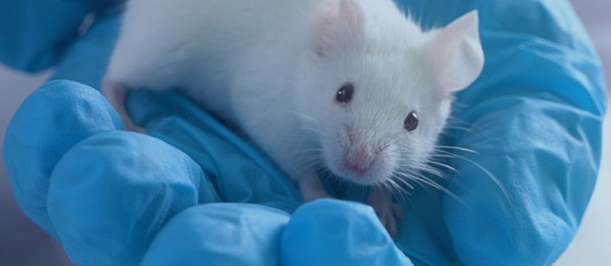
When Should Researchers Use APOE Knockout Mice?
Studying Spontaneous Atherosclerosis and Lesion Progression
Consider Apoe mice when testing whether a compound changes lesion development. Researchers can compare treated and control groups, measure lesions at the aortic root or along the aorta, and relate findings to plasma lipids and tissue biology. Choose diet, age, sex, genetic background, and study duration carefully because each can affect disease severity.
Investigating Lipid Metabolism and Vascular Inflammation
The model can test interactions between dyslipidemia and immune activity. Pair lesion measurements with cholesterol, triglycerides, immune-cell markers, and histology. Do not assume that a plaque change proves a direct vascular effect: treatment may also alter plasma lipids, food intake, body weight, or systemic inflammation. Measure these factors to help distinguish mechanisms.
Table 1. Matching the model to the primary scientific question
| Research question | Why Apoe may fit | Key interpretation caution |
| Does a candidate reduce overall lesion burden? | Lesions develop reliably in a hyperlipidemic background. | Confirm comparable baseline conditions and quantify lesions consistently. |
| Does a treatment affect vascular inflammation? | Enables analysis of immune-cell recruitment and plaque composition. | ApoE has immune functions, so findings may reflect ApoE-related biology. |
| Is the mechanism specifically LDL-driven? | Can test atherosclerosis under strong lipid stress. | Consider Ldlr mice if preserving ApoE and modeling LDL-related disease is central. |
When Might Another Atherosclerosis Model Be More Appropriate?
APOE Knockout Mice Versus LDL Receptor Knockout Mice
Apoe and Ldlr mice are not interchangeable. Apoe mice develop hyperlipidemia and lesions on chow, with remnant lipoproteins playing a major role. Ldlr mice retain ApoE and are often used for LDL/ApoB-related disease, with robust lesions more dependent on diet. Choose according to the lipid pathway and mechanism under investigation.
Table 2. Practical differences between two common mouse models
| Consideration | Apoe mice | Ldlr mice |
| Main lipid context | Prominent accumulation of remnant lipoproteins | More LDL/ApoB-focused context, especially with atherogenic diet |
| Diet dependence | Lesions can develop on chow; diet can accelerate them | Often more dependent on cholesterol-rich or Western-type diet |
| Useful when | A robust, commonly used hyperlipidemic lesion model is needed | Diet modulation or LDL-related mechanisms are central |
| Important caveat | Loss of ApoE affects biology beyond lipid clearance | Diet composition and feeding duration can strongly affect outcomes |
Recognizing Translational Limitations and Confounding Factors
Neither model reproduces all human disease features, including the full spectrum of coronary plaque rupture and cardiovascular events. If a claim depends on a particular lipoprotein profile, plaque complication, or comorbidity, use complementary validation where needed. A large lesion signal alone is not enough; the model must fit the proposed mechanism.
How to Design a More Reliable APOE Knockout Study
Selecting Endpoints, Diet, Age, and Sex
Define the primary endpoint in advance. Lesion area may suit overall burden; plaque composition, lipids, inflammatory markers, or molecular readouts may better test a mechanism. Standardize tissue collection and analysis, document diet and feeding duration, and account for age, sex, strain, and housing. Record food intake and body weight if treatment may affect them.
Table 3. Complementary endpoints for interpreting treatment effects
| Endpoint category | Example measures | What it helps clarify |
| Atherosclerotic burden | Aortic-root lesion area; en face aortic lesion area | Whether overall lesion development changes |
| Lipid profile | Total cholesterol, triglycerides, lipoprotein measures where available | Whether efficacy may be linked to systemic lipid changes |
| Plaque biology | Histology, macrophage markers, collagen or necrotic-core assessment | Whether plaque composition or inflammatory features change |
| Mechanistic readouts | Target engagement, gene/protein expression, relevant circulating biomarkers | Whether the proposed pathway is affected |
Improving Reproducibility Through Controls and Rigorous Study Design
Use a suitable control group, justify sample size, randomize allocation where feasible, and blind outcome assessment when practical. Predefine exclusion criteria and statistical methods, and report animal numbers for each outcome. These steps align with ARRIVE 2.0 and help reduce bias. A CRO may coordinate model establishment, dosing, sampling, pathology, and reporting; agree on endpoints and decision criteria before the study begins.
How KCI BioTech Supports Cardiovascular Preclinical Research
KCI BioTech provides preclinical research support to help pharmaceutical and biotechnology teams investigate cardiovascular disease mechanisms and evaluate potential therapeutic candidates. Through appropriate disease model selection, experimental planning, and endpoint assessment, researchers can generate data aligned with their drug discovery objectives and early-stage development needs.

Cardiovascular Disease Models and Integrated Evaluation Services
Selecting an appropriate animal model is essential for studying atherosclerosis and evaluating potential treatments. Depending on the research objectives, ApoE knockout (ApoE) mice and LDL receptor knockout (LDLR) mice can be used to investigate disease progression and therapeutic responses.
KCI BioTech supports cardiovascular preclinical research by helping align model selection with study goals and integrating relevant assessments, such as atherosclerotic lesion analysis, plasma lipid profiling, histopathology, and molecular evaluation, to provide a broader understanding of treatment effects.
Aligning Preclinical CRO Support with Development Goals
Effective preclinical studies require a clear connection between experimental design and the therapeutic candidate’s mechanism of action and development stage. KCI BioTech works with research teams to define study objectives, model requirements, dosing strategies, control groups, and evaluation endpoints before experiments begin. This coordinated approach helps researchers anticipate potential limitations, improve data interpretability, and generate evidence to inform decisions during cardiovascular drug discovery and preclinical development.
Conclusion: Choose the Model That Fits the Hypothesis
APOE knockout mice are useful for studying hyperlipidemia-driven atherosclerosis, lesion burden, plaque biology, and treatment response. They are less suitable when the question depends on preserved ApoE biology or a specific human-like lipid pathway. Match the model to the mechanism, use complementary endpoints, and control bias. A cardiovascular CRO such as KCI BioTech may coordinate in vivo and analytical work, once the model and deliverables are confirmed.